Understanding the Role of Measured Building Surveyors London
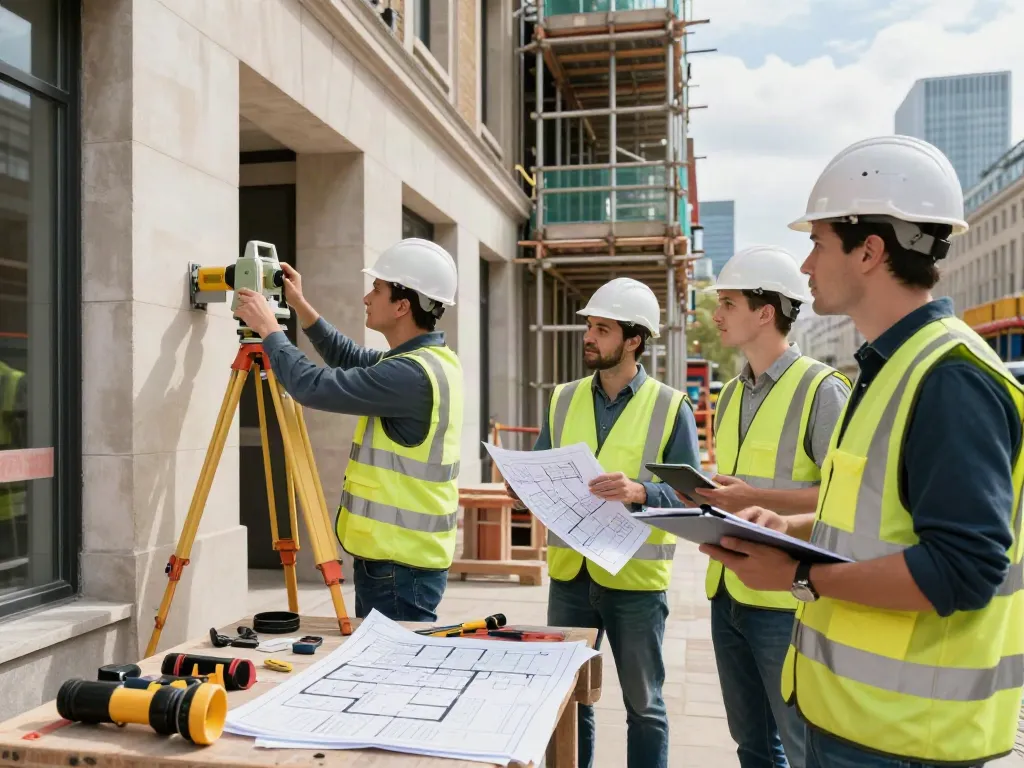
In today's rapidly evolving construction landscape, the expertise of Measured Building Surveyors London is invaluable. These professionals play a critical role in ensuring the precision and accuracy of building measurements, which is fundamental for a successful project outcome. Whether you are involved in a small residential renovation or a large commercial development, understanding what measured building surveys entail can help you make informed decisions for your projects.
What is a Measured Building Survey?
A measured building survey is a detailed recording of the dimensions, shapes, and positions of a building or site. This type of survey typically includes the creation of accurate floor plans, elevations, and sections, essential for a variety of applications such as architectural design, renovation, and compliance with building regulations. The surveyors gather data using advanced methodologies and equipment, ensuring that the resulting documentation reflects the true layout of the property.
The Importance of Accurate Surveys
Accurate surveys are paramount for several reasons. Firstly, they provide the foundation for all subsequent planning and design work. Any discrepancies in measurements can lead to costly mistakes, project delays, and safety hazards. Furthermore, accurate surveys are often mandatory for obtaining planning permissions and ensuring compliance with local building codes. By investing in a professional measured building survey, clients can avoid potential complications and enhance their project’s success rate.
Key Services Offered by Surveyors
Measured building surveyors offer a range of services, which may include:
- Floor Plans: Comprehensive layouts that detail the dimensions and layout of rooms.
- Elevations: Drawings that illustrate the external faces of a building, including architectural details.
- Sections: Cross-sectional views that reveal internal configurations and levels within the structure.
- 3D Modelling: Advanced visual representations that assist in understanding complex structures and environments.
Benefits of Hiring Professional Measured Building Surveyors
Enhanced Accuracy in Measurements
One of the most significant advantages of hiring professional measured building surveyors is the enhanced accuracy they bring to the project. These experts employ cutting-edge technology, such as laser scanning and professional-grade surveying instruments, to obtain precise measurements. This accuracy minimizes the risk of errors during construction, which can result from manual measurements.
Cost-Effective Project Management
While there is an upfront cost associated with hiring qualified surveyors, the long-term savings can be substantial. By providing accurate data from the outset, measured building surveys can prevent costly redesigns, reworks, and delays. A well-executed survey can ultimately lead to smoother project management and a more efficient use of resources.
Compliance with Local Regulations
Each region has its own building regulations and requirements. Professional measured building surveyors are well-versed in these standards and can ensure that surveys meet all necessary legalities. This compliance not only helps in fast-tracking approvals but also provides peace of mind throughout the construction process.
Technology in Measured Building Surveys
The Use of 3D Laser Scanning
3D laser scanning is revolutionizing the way measured building surveys are conducted. This technology captures millions of data points in a single scan, creating a highly detailed point cloud. It allows surveyors to produce extremely accurate and realistic models of buildings and sites, making it easier to visualize changes and assess structural conditions effectively.
CAD and BIM in Surveying
Computer-Aided Design (CAD) and Building Information Modelling (BIM) play crucial roles in modern surveying practices. CAD software allows surveyors to create precise and editable digital representations of buildings. Meanwhile, BIM facilitates collaboration among different stakeholders by integrating physical and functional characteristics of a project into a comprehensive model.
Future Trends in Surveying Technology for 2026
As we look toward 2026, several trends are poised to shape the future of measured building surveys, including:
- Integration of AI: Artificial intelligence is expected to streamline surveying processes, enhancing accuracy and efficiency.
- Increased Use of Drones: Drones will likely become more prevalent for capturing aerial data, especially in large or complex sites.
- Sustainable Practices: As environmental concerns rise, surveyors may adopt more eco-friendly practices, including minimizing waste during surveying processes.
Common Challenges Faced by Measured Building Surveyors
Dealing with Complex Sites and Structures
Surveyors often encounter challenging conditions, such as irregular building shapes, dense urban environments, or sites with multiple elevations. These complexities require advanced problem-solving skills and innovative techniques to ensure accurate surveys. In many cases, employing a mix of traditional surveying methods and modern technology becomes necessary to overcome these hurdles.
Managing Client Expectations
Clear communication is essential when managing client expectations. Often, clients may not fully understand the processes involved in surveying, which can lead to misunderstanding regarding timelines and deliverables. Professional measured building surveyors must provide education on what clients can realistically expect, ensuring transparency throughout the project.
Mitigating Risks During Surveys
Conducting surveys involves inherent risks, particularly when working in hazardous environments. Surveyors must implement safety protocols and risk mitigation strategies to protect themselves and their teams during the survey process. This attention to safety not only ensures compliance with health and safety regulations but also fosters a culture of responsibility within the team.
Choosing the Right Measured Building Surveyors in London
Evaluating Experience and Qualifications
When selecting a measured building surveyor, it’s essential to assess their qualifications and experience. Look for surveyors who are accredited by recognised professional bodies, such as the Royal Institution of Chartered Surveyors (RICS). A strong portfolio demonstrating past projects can also provide insight into their capabilities and expertise.
Assessing Technology and Equipment Used
The technology employed by a surveying firm can significantly impact the quality of the survey. Ensure that the surveyors utilize the latest equipment and software, such as laser scanners and BIM tools, to guarantee accurate results. A commitment to investing in state-of-the-art technology often indicates a forward-thinking and dedicated surveying firm.
Reading Reviews and Recommendations
Client testimonials and case studies can reveal valuable insights into a firm’s reputation and service quality. Look for reviews that highlight their reliability, professionalism, and customer service. Positive recommendations from previous clients can serve as a strong indicator that you are selecting the right team for your surveying needs.
What is the average cost of a measured building survey in the UK?
The cost of a measured building survey can vary widely depending on factors such as the size and complexity of the property. On average, clients can expect to pay anywhere from £500 to £2,000 for comprehensive survey services. It’s recommended to obtain quotes from multiple firms to compare pricing and services offered.
How long does a measured survey take?
The duration of a measured survey will depend on the size and complexity of the building or site. Smaller residential properties may require only a day or two for surveying and processing, while larger commercial sites could take several weeks. Clients should discuss timelines with surveyors upfront to ensure proper planning.
What qualifications should I look for in a surveyor?
When selecting a surveyor, consider their formal qualifications, such as a degree in surveying or a related field. Additionally, membership in professional organizations like RICS can indicate a commitment to maintaining high standards within the industry. Experience in a similar type of project is also beneficial.
Are measured building surveys necessary for all projects?
While not every project may require a measured building survey, it is highly beneficial for most, especially those involving significant renovations, new builds, or alterations. Even if not legally required, a measured survey can provide essential insights and clarity, ultimately facilitating smoother project execution.
How can I ensure quality in my surveying project?
Quality assurance in a surveying project can be achieved by partnering with qualified professionals who adopt best practices and adhere to industry standards. Regular communication and clarification of project expectations can also contribute to maintaining quality throughout the surveying process.